


 29:45
29:45 02:56:28
 12:44
12:44 Watch LaterAdded
01:46:37
Watch LaterAdded
01:46:37 Watch LaterAdded
02:56:28
Watch LaterAdded
02:56:28 Watch LaterAdded
12:44
Watch LaterAdded
12:44 Watch LaterAdded
53:22
Watch LaterAdded
53:22 Watch LaterAdded
41:03
Watch LaterAdded
41:03Introduction
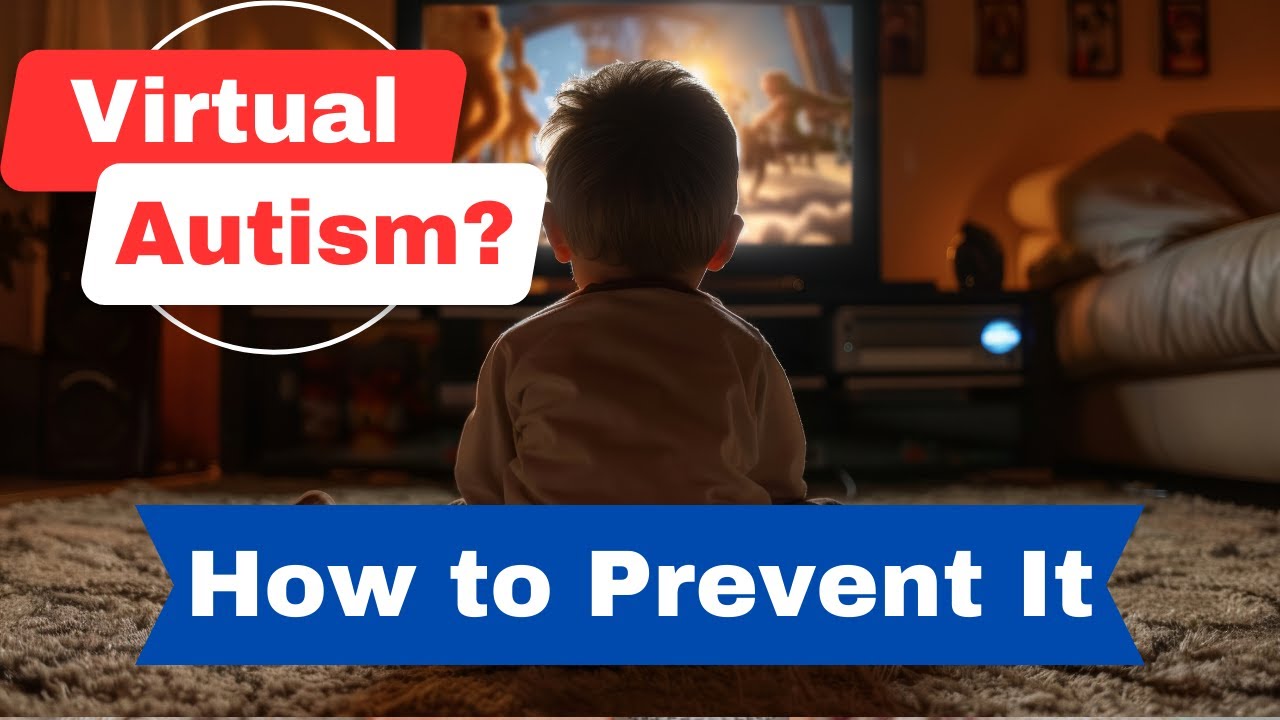
In this insightful video, Dr. Mary Barbara discusses the emerging concept of “virtual autism” and explores the potential impact of screen time on young children. Dr. Barbara, a behavior analyst and expert in autism, examines the ways excessive screen exposure can contribute to autism-like symptoms in children, especially those under the age of three. She shares real-life examples and insights from her experience to help parents understand how screen time may affect development and what steps they can take to encourage more engaging, real-world activities.
Dr. Barbara also provides practical tips on managing screen time, along with insights from other autism researchers, including Dr. Amy Kint, to support a balanced approach for children’s development.
With the increase in screen exposure for young children, particularly during the COVID-19 pandemic, the concept of “virtual autism” has come to light. But what exactly does it mean, and should parents be concerned? In this blog, we’ll explore virtual autism, examine the link between screen time and autism-like symptoms in children, and discuss strategies for creating a balanced environment for child development.
Virtual autism is a term used to describe autism-like symptoms in young children due to prolonged screen exposure. While traditional Autism Spectrum Disorder (ASD) has neurodevelopmental origins, virtual autism suggests that excessive screen time, especially before age three, can lead to behaviors and developmental patterns that resemble autism.
Though virtual autism is not a medically recognized condition, some believe that the symptoms may be reversible if screen time is significantly reduced. However, this area requires more research to fully understand its long-term implications.
Dr. Mary Barbara shares the story of a couple concerned that their toddler, who displayed autism-like behaviors, was being impacted by screen time. Their child had developed a fascination with shows like “Miss Rachel,” leading to excited hand-flapping during viewing. While they removed screen time from his daily routine, his language development remained limited, despite the absence of screens.
This highlights a broader question: while reducing screen time can alleviate some symptoms, it may not completely address underlying developmental challenges, particularly if other factors are at play.
Dr. Barbara raises an interesting question: Are children who are drawn to screens more likely to show autism-like symptoms, or does the screen time itself contribute to these symptoms? Children with autism often enjoy structure and predictability, which screen-based activities can provide.
Dr. Barbara’s own son, Lucas, loved watching the same “Barney” episodes on repeat. This repetitive exposure provided him comfort and stability, though it did not actively engage him in social interaction or language development. For children with autism or autism-like symptoms, screens may act as a safe, predictable environment. However, over-reliance on screens can hinder the development of essential social and communication skills that occur in real-world interactions.
Dr. Amy Kint, an autism researcher, has conducted studies on eye-tracking in infants to observe early signs of autism. His findings suggest that children with autism or those at risk tend to focus on repetitive aspects of their environment, often missing social cues or facial expressions.
In Dr. Kint’s research, infants at risk of autism would fixate on a repetitive object in a video rather than on the faces and interactions between people. This supports the idea that children on the autism spectrum might engage with screens differently, drawn more to repetitive stimuli rather than socially interactive content.
The COVID-19 pandemic led to an increase in screen time for many children, as parents balanced work-from-home responsibilities with childcare. Dr. Barbara recounts the case of a young boy named Drew, whose development was impacted during the pandemic due to increased screen time and lack of social structure. Drew displayed delayed milestones and problem behaviors, which improved once he resumed a structured, screen-free environment with more active social engagement.
To help parents navigate screen time for young children, the AAP offers guidelines:
The goal is to create a screen time experience that supports learning and development rather than passive viewing.
For parents looking to reduce screen time and support their child’s development, Dr. Barbara suggests the following strategies:
Set Screen Time Boundaries: Limit screen exposure to the AAP recommendations. Avoid using screens as the primary source of entertainment or distraction.
Engage in Co-Viewing: Watch shows or educational content with your child, encouraging interaction, questions, and discussions about what they’re seeing.
Incorporate Physical Activity: Schedule daily activities, both indoor and outdoor, to keep children physically engaged and reduce their reliance on screens.
Provide Structured Playtime: Introduce games, puzzles, or art projects that promote creativity and critical thinking. Building a structured routine helps children engage in active learning.
Consider Daycare or Preschool: If possible, sending children to daycare or preschool offers regular social interaction and activities that stimulate cognitive and social growth.
While some believe virtual autism and traditional ASD are distinct, others argue that symptoms from screen exposure overlap significantly with those of ASD. Dr. Barbara suggests that children who lack engagement during their waking hours may develop behaviors that mimic autism, particularly if they are isolated or deprived of diverse interactions. Children from impoverished or neglected backgrounds might exhibit similar symptoms, underscoring the importance of a stimulating and nurturing environment.
Virtual autism is still a debated concept, and the link between screen time and autism-like symptoms requires further research. However, what is clear is the importance of providing young children with a variety of real-world interactions, structured play, and social engagement. Limiting screen time and focusing on meaningful activities can support a child’s overall development.
If you’re concerned about your child’s development, consult a pediatrician or autism specialist for personalized guidance. In the meantime, taking an active role in your child’s screen time and encouraging interactive play can make a positive difference.
Additional Resources
Video Link
Understanding Virtual Autism and its Impacts 0:28
Case Study: Toddler and Screen Time 1:59
Defining Virtual Autism and Screen Time Recommendations 3:03
Personal Story of Lucas and Screen Time Impact 6:08
Eye Gaze Research on Autism and Screen Behavior 10:59
COVID's Influence on Increased Screen Time 14:02
Screen Time Guidelines by AAP for Children 18:45
Encouragement and Summary on Limiting Screen Time 21:12
List of Topics Covered
Key People Mentioned
Watch LaterAdded
01:46:37
Watch LaterAdded
02:56:28
Watch LaterAdded
12:44
Watch LaterAdded
53:22
Watch LaterAdded
41:03
Very good https://is.gd/tpjNyL